Living Shorelines Oceania: Nature-based solutions for Pacific Islands coastal resilience
Developing a Living Shorelines Oceania database that shares local projects and experiences, connects communities, highlights island-led solutions and supports regional collaboration to scale up effective nature-based solutions.
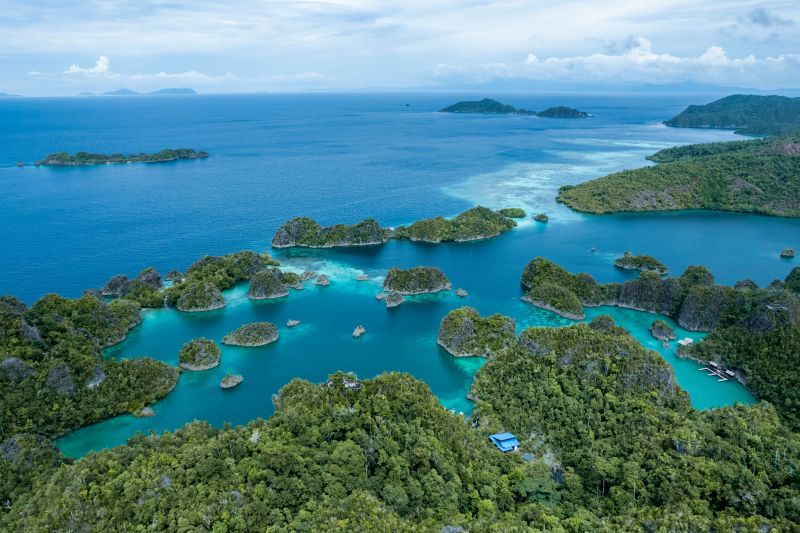
Research Cluster
Nature-led Resilience and Nature-based Climate Solutions
Research partners
University of Western Australia, University of Otago, JB Pacific, Moffatt and Nichol
Project team
Dr Rebecca Morris (School of BioSciences), Professor Jon Barnett (SGEAS/Oceania Institute), Dr Rachel Morgain (SAFES/Melbourne Biodiversity Institute), Dr Vili Iese (SAFES), Professor Stephen Swearer (University of Western Australia), Dr Teresa Konlechner (University of Otago), Daniel Rodger (JB Pacific), Nick Lewis (Moffatt and Nichol)
Contact
Project summary
Pacific Island communities face increasing risks from sea level rise, storms and erosion. Conventional hard engineering approaches are costly and degrade coastal ecosystems. Nature-based solutions that restore or create habitats like mangroves, shellfish or coral reefs and dunes offer protection while providing co-benefits for biodiversity, fisheries, carbon storage and cultural values. Building on the Living Shorelines Australia database, this project will start the development of a Living Shorelines Oceania database that shares local projects and experiences, connects communities, highlights island-led solutions and supports regional collaboration to scale up effective nature-based solutions.
What are we interested in?
Globally, nature-based solutions adoption is expanding, but projects remain uncoordinated and under-documented. This is also the case in the South Pacific. To catalyse the co-benefits of nature-based solutions for both biodiversity and Pacific peoples, Pacific Islands need easy to access information about approaches grounded in their own environments and traditions.
The goals of our project
To create the framework for a publicly available, interactive database with a mapping interface that documents nature-based solutions projects across Pacific Islands, including project locations, methods, scale, costs, outcomes, approval processes, and barriers and opportunities. The project will also establish a community of practice for coastal resilience.
Outcomes / activities
Literature review, online and in-person surveys, interviews and workshops to identify past, current and planned nature-based solutions. A co-design workshop with local end-users to develop the database framework and establish a community of practice. Peer-reviewed publications, and presentations at forums such as the Pacific Infrastructure Conference.