Evaluating bottom-up and top-down approaches for restoring urban biodiversity corridors
Building on the Connected Corridors initiative, which identified 1,612 km of potential biodiversity corridors in Greater Melbourne.
Cluster
Research partners
Friends of Merri Creek, OFFICE, REGEN Melbourne
Project team
Dr Sareh Moosavi (Faculty of Architecture, Building and Planning), Dr Judy Bush (ABP), Dr Bridget Keane (ABP), Dr Kylie Soanes (SAFES), Professor Nicholas Williams (SAFES), Professor Dan Hill (ABP), Dr Alice Kesminas (FEIT)
Contact
Project summary
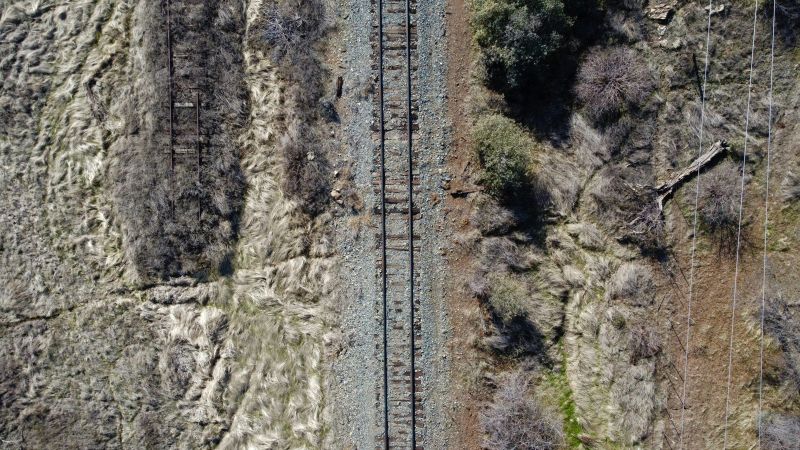
Urban corridors - railway lines, creek edges, road verges - are hiding in plain sight, holding significant potential for biodiversity restoration. The Connected Corridors initiative identified 1,612 km of potential biodiversity corridors in Greater Melbourne. Through a comparative analysis of contrasting governance models using the Socio-Ecological Networks framework, the project will evaluate what approaches best facilitate ecological restoration and identify the critical actors and relationships required to achieve this.
What are we interested in?
What urban waterway restoration governance models (top-down and bottom-up) best facilitate ecological restoration? What are the critical actors or relationships required to achieve this? How can we build capacity and capability for community-led programs?
The goals of our project
To critically evaluate bottom-up and top-down approaches to corridor restoration and their evolutions over time, establish best possible models for strategic governance, and provide new tools, practices and networks to support effective corridor transformation in urban areas.
Outcomes / activities
Phase 1: Desktop research comparing restoration approaches and outcomes in two contrasting corridors, analysing ecological databases and social actors/governance networks using Social-Ecological Networks (SEN), collating data through a digital twin to visualise ecological, social and policy relationships.
Phase 2: Field-based research to validate the SEN results, including interviews and workshops with stakeholder groups, identifying barriers and success factors.
Outputs include a peer-reviewed publication, a digital twin prototype, a lay-audience communication piece.